
Table of Contents
The True History of the Panama Hat: Master Weavers, Golden Rules, and Montecristi Shore Secrets
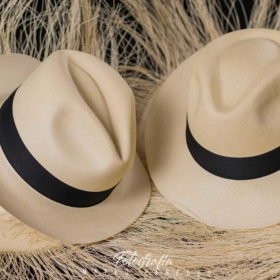
For generations, global icons—from Ernest Hemingway and Winston Churchill to modern fashion voguers—have donned the flawless, ivory straw hat recognized everywhere as the “Panama Hat.” Yet, beneath its worldwide fame lies a historic geographical mix-up: these legendary hats have never originated in Panama.
The genuine heart, ancestral birthplace, and absolute capital of this elite artisan skill is the coastal province of Manabí, specifically the colonial hillside town of Montecristi, located just 25 minutes inland from the Manta Cruise Port.
An Imperial Misnomer: How the Legend Got Misnamed
The international identity theft began during the 19th-century gold rush and solidified during the construction of the Panama Canal. Because Panama functioned as the central maritime trading hub of the Americas, thousands of fine straw hats woven by Ecuadorian artisans were shipped to the Isthmus to shield travelers and canal workers from the unforgiving equator sun.
The global breakthrough occurred in 1906 when US President Theodore Roosevelt visited the canal excavations. Photographed by the global press wearing an incredibly fine, crisp white Ecuadorian hat, the public instantly labeled it the “Panama Hat.” The name locked in, but the soul of the craft remained deeply rooted in the rural villages surrounding Manta.
Timeless Elegance & Cultural Integration


Nature’s Perfect Shield: Why It Outperforms Synthetic Hats
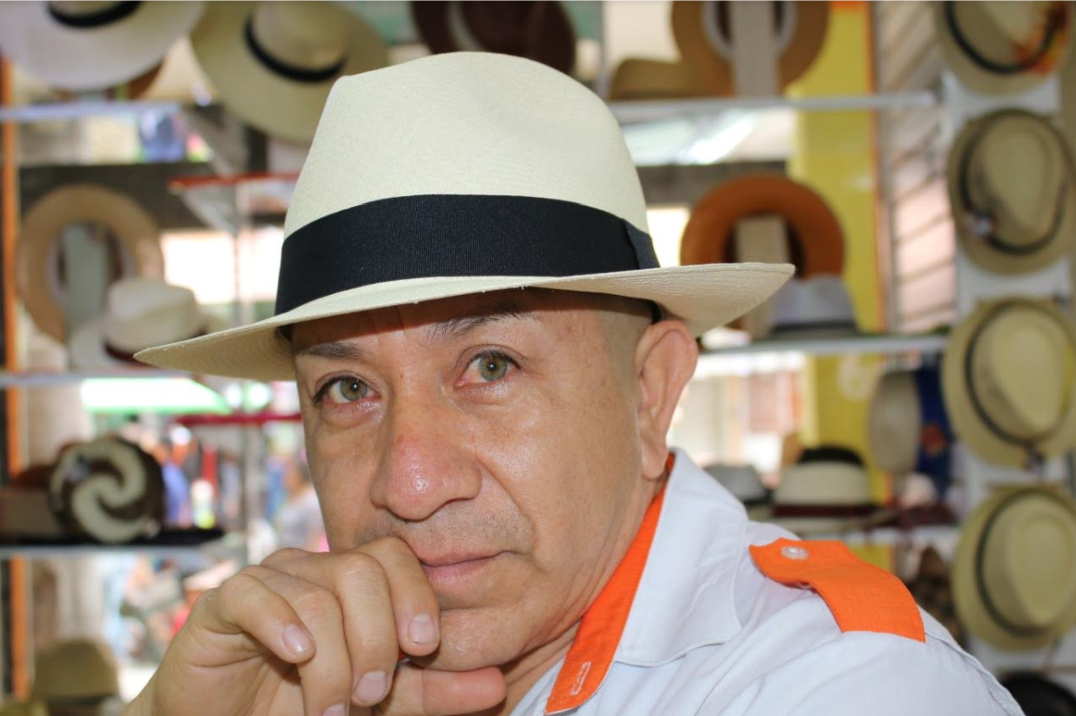
Beyond their striking aesthetic appeal, real Montecristi hats are precision engineering by nature. They are hand-woven strictly from **Toquilla straw** (Carludovica palmata), a specialized palm-like reed harvested from nearby coastal cloud forests.
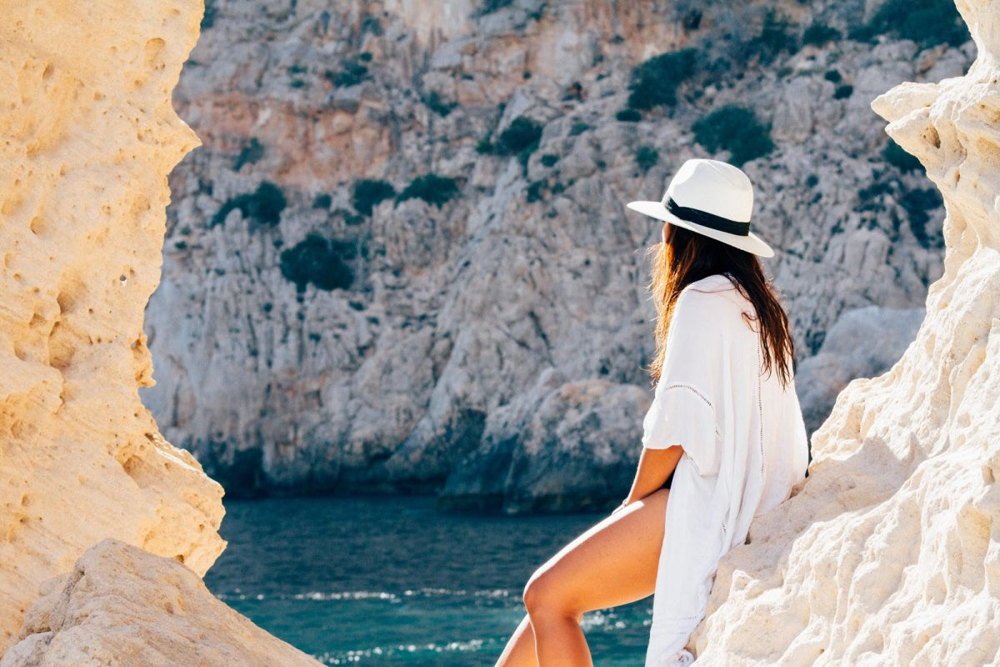
The cellular structure of raw toquilla fiber blocks harmful ultraviolet rays naturally, acting as a lightweight, organic sunblock. Unlike synthetic polymers or heavy felt that trap moisture and bake your scalp, the intricate open microscopic weave allows sweat to evaporate immediately. It keeps your head up to **5°C cooler** under the hot South American sun—making it an indispensable companion for your shore walks.
Seamless Transit: From Ship to Montecristi in Minutes
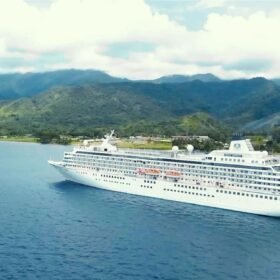
One of the best advantages for cruise passengers docking in Manta is how unbelievably close this artisan heritage sits. You do not need to endure hours on a highway. Montecristi is located just **15 kilometers (less than 25 minutes)** away from the cruise terminal gates via a secure, well-maintained highway.
This short logistical jump means you can comfortably depart your vessel, dive deep into ancient history, purchase an authentic treasure directly from its creator, and return to the maritime coast with a huge time buffer before your ship’s all-aboard call.
Deciphering Weave Grades: Avoid Getting Ripped Off
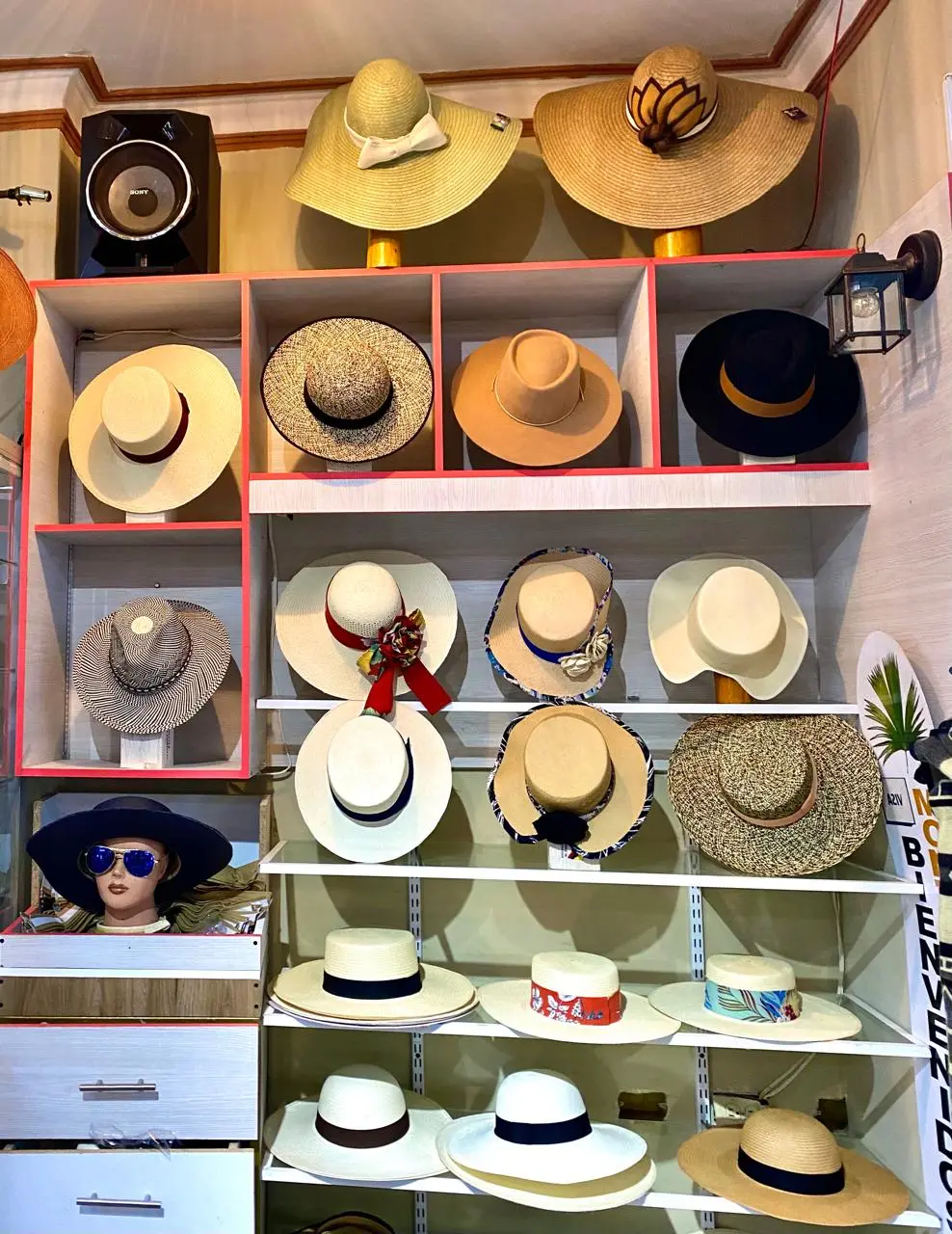
Not all straw hats are created equal. In the market, you will find enormous price differences based on a specific metric: **the density of the weave (Grades).**
- Standard Grades (1 to 10): Coarser straw strands. Woven in a few days. Perfect, durable everyday sun protection.
- Fino & Super Fino Grades (15 to 30+): Thread-thin fibers. Master weavers must work bent over wooden blocks at dawn to prevent sweat from snapping the fragile strands. These can take anywhere from two to six months to complete. When held up to light, they resemble fine woven silk rather than wood straw.
⭐ Exclusive Shore Experience: Finish Your Own Masterpiece
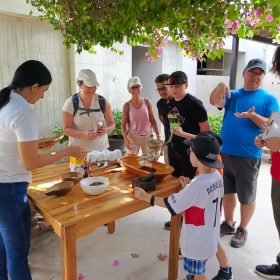
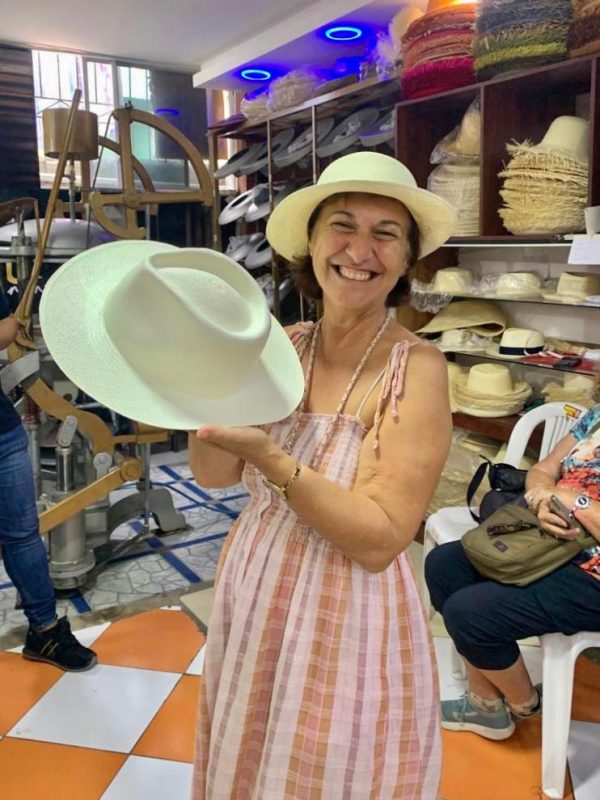
We believe cruise travelers deserve more than just looking at a souvenir rack. On our curated excursions, we take you inside a private, authentic generational workshop. Here, you won’t just watch—you will participate:
- Operate the heavy, traditional antique cast-iron pressing machines used to stamp the crown shape.
- Learn the art of industrial iron-finishing directly alongside local craftsmen.
- Execute the final leather-banding and iron-steaming process on your chosen hat, tailoring it live to your exact cranium measurements.